Entry · Ref O3AZMAB2
Roof Replacement Succasunna, NJ: Key Benefits for Older Homes
- Posted
- 2026-11-05
- Last amended
- 2026-11-05
- Account
- @troyjxyi430
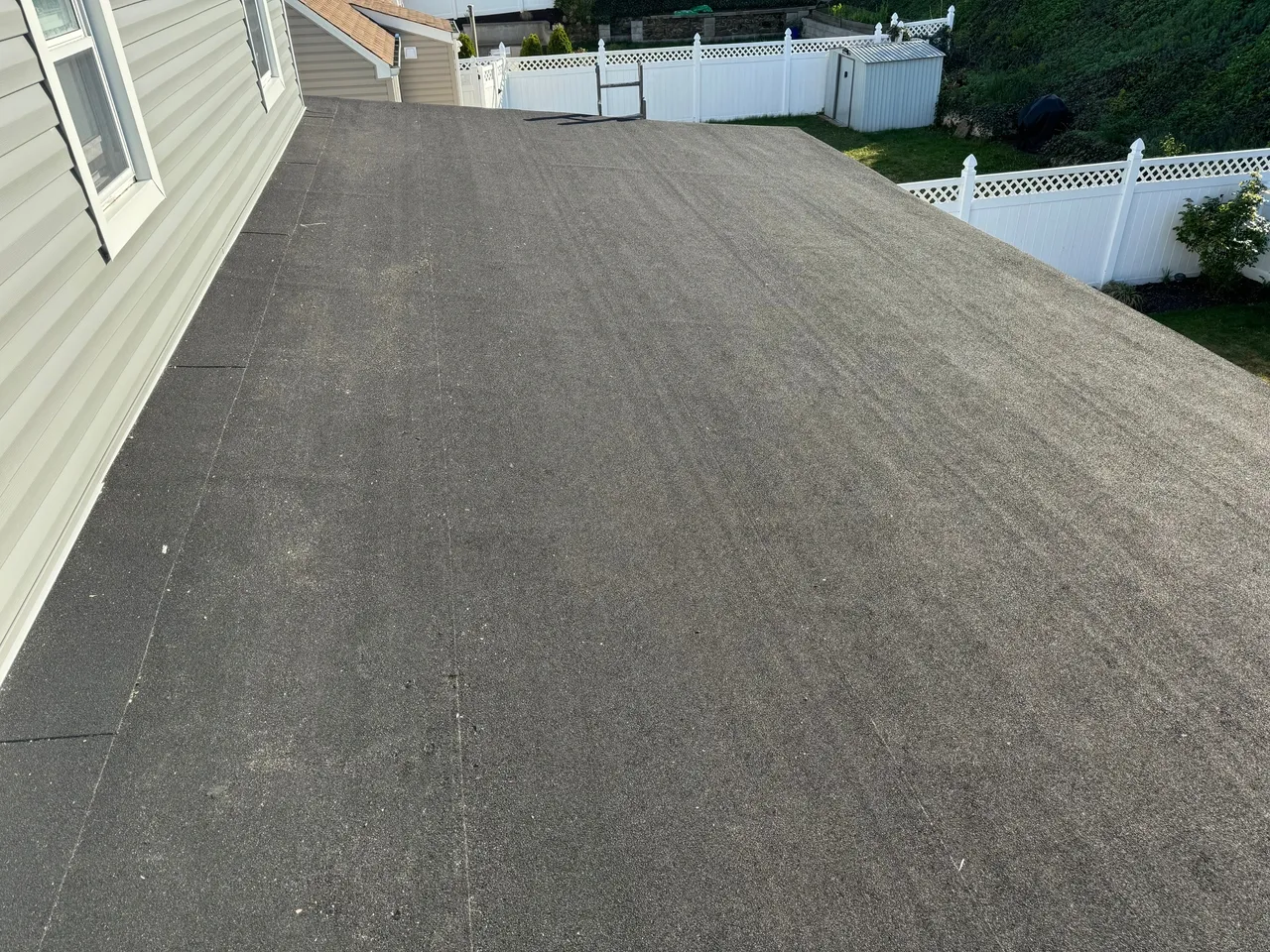
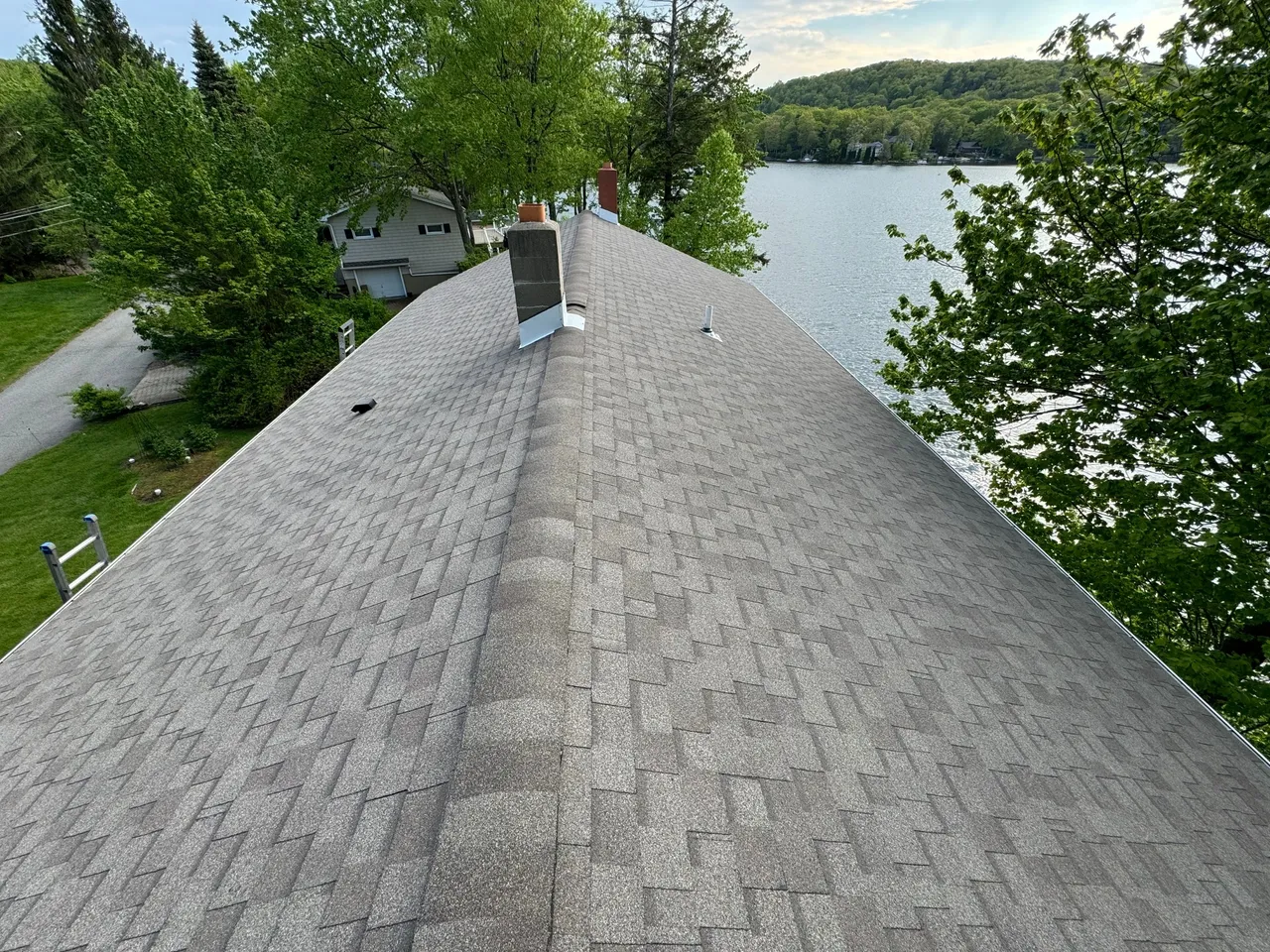
Older homes have a way of earning loyalty. In Succasunna, that often means a house with solid bones, mature trees in the yard, and a roof that has seen more New Jersey seasons than anyone cares to count. These homes carry character that newer construction often lacks, but they also carry the wear that comes with age. When the roof reaches the end of its service life, replacement is not just a cosmetic project. It is one of the most consequential upgrades a homeowner can make.
That is especially true in a place like Succasunna, where roofs deal with humid summers, winter snow loads, wind-driven rain, freeze-thaw cycles, and the slow wear caused by years of sun exposure. An older roof can decline quietly for a long time. Homeowners often notice a stain on a bedroom ceiling or a shingle in the yard and assume the problem is isolated. In practice, roofing systems usually fail as a whole. Flashing fatigues, underlayment dries out, ventilation falls short, and decking in vulnerable spots can soften long before serious interior damage becomes obvious.
For older homes, a full roof replacement often delivers benefits that patchwork repairs cannot. It protects framing and insulation, improves attic performance, reduces moisture risks, and can even expose deeper issues before they become major structural repairs. For many homeowners considering Roof Replacement Succasunna, NJ, the real value lies in what they prevent as much as what they install.
Why older homes need a closer look
A roof on a forty, fifty, or seventy-year-old home is rarely dealing with only one variable. Age brings layering. There may have been past repairs done under time pressure, flashing swapped out around a chimney but not at a dormer, or a section re-shingled after storm damage while the rest of the roof continued to age. In some homes, the current roof covers imperfections that have accumulated over decades.
I have seen older roofs where the shingles were not the main issue at all. The bigger problem was stale attic air that cooked the underside of the roof deck each summer, then trapped dampness in winter. I have also seen roofs that looked passable from the ground but had spongy decking around plumbing boots and chimney saddles. Those are common trouble spots, and older homes tend to have more of them because roof details were handled differently in previous eras.
Succasunna neighborhoods include homes built across several decades, and that matters. Construction methods changed over time. So did insulation standards, ventilation practices, flashing materials, and even the shape of common rooflines. A roof replacement on an older colonial is not the same job as replacing the roof on a low-slope ranch or a cape with multiple dormers. The age and design of the home affect not just price, but the practical benefits the homeowner receives.
The first benefit: stopping hidden water damage before it spreads
Leaks are rarely neat. Water follows gravity, but it also follows framing, nails, and tiny pathways through insulation and drywall. By the time a brown ceiling stain appears, the moisture may have been traveling for months. Older homes are especially vulnerable because wood components have already lived through years of expansion, contraction, and occasional dampness.
A full replacement gives the contractor the chance to strip the system down to the deck and inspect what repairs are actually needed. That can reveal rotted sheathing, failed flashing, mold-prone areas near eaves, and soft spots around penetrations. None of those issues improve with another small patch.
One homeowner might spend a few hundred dollars on a leak repair near a chimney, only to discover the next winter that ice backup is forcing water under worn shingles along the lower roof edge. Another may replace a few lifted tabs after a wind event, but the real problem is brittle shingles throughout the slope. A replacement addresses the entire field, the vulnerable transitions, and the roof's drainage patterns in one coordinated system.
For older homes, that matters because moisture damage compounds. A modest roof leak can turn into damaged insulation, peeling paint, stained plaster, warped trim, and in severe cases, compromised framing. Catching these issues at replacement stage is often far less expensive than repairing years of slow deterioration later.
Energy performance improves, even when the roof is not the whole story
Many homeowners expect a new roof to lower utility bills dramatically. Sometimes it does, but it helps to be realistic. The roof alone is not a magic fix for an underinsulated or drafty older house. Still, a replacement can make a measurable difference, especially when it includes ventilation corrections and attic-related improvements.
Older roofs often underperform because the system is out of balance. Intake vents may be blocked by insulation. Exhaust may be inadequate or improperly placed. In some homes, a powered attic fan was installed years ago as a workaround, but it never solved the root problem. During replacement, these conditions can be reassessed and corrected.
When attic ventilation works properly, heat and moisture move more predictably. In summer, that can reduce excess attic temperatures that radiate into the living space and accelerate shingle wear. In winter, it can help limit condensation and reduce the conditions that contribute to ice damming. If the contractor and homeowner also address insulation and air sealing where appropriate, the roof replacement becomes part of a broader performance upgrade.
On older homes in Succasunna, this usually shows up less as a dramatic utility-bill drop and more as improved comfort. Upstairs rooms feel less stifling in August. Snow melts more evenly on the roof. The attic smells less musty. Those are practical gains, and they often signal that the house is functioning more as a system rather than a collection of isolated parts.
Better protection against New Jersey weather
Roofs in northern New Jersey work hard. They handle thunderstorms, occasional hail, heavy rain, winter snow, and the repeated stress of freezing nights followed by milder days. Older roofing systems were often installed with materials and methods that do not match current expectations for weather resistance.
A quality roof replacement can improve performance at the points where roofs usually fail first. That includes eaves, valleys, pipe penetrations, chimneys, skylights, and step flashing along sidewalls. Underlayment options are stronger than what many older roofs were built with. Ice and water protection at vulnerable areas can provide another layer of defense where freeze-thaw cycles and backup are concerns.
This is one of the strongest arguments for Roof Replacement Succasunna, NJ on aging homes. The issue is not simply that shingles wear out. It is that the full roofing assembly on an older house may no longer be suited to current weather demands, especially if it has already been repaired several times. A replacement gives the house a fresh weather barrier that works from the deck up.
There is also a practical point that homeowners appreciate once they have lived through a few winters. A failing roof creates anxiety every time a storm is forecast. You start watching the ceiling instead of the snowfall. You wonder whether that bedroom corner will stay dry. Replacing the roof does not make a house indestructible, but it usually restores confidence in a way patch jobs do not.
Curb appeal is the obvious benefit, but resale value is more nuanced
A new roof almost always improves the Roof Replacement Succasunna, NJ appearance of an older home. Clean lines, consistent color, updated flashing, and crisp ridge details can transform a house from tired to well-kept. On a street with mature homes, that visual reset matters.
Still, resale value should be discussed honestly. A roof replacement does not typically return its full cost dollar for dollar in market value. Buyers do not usually pay a premium equal to the project price just because the roof is new. What a new roof does is reduce objections. It helps the house present well during showings and inspections. It removes one of the biggest visible signs of deferred maintenance. That can preserve negotiating leverage and shorten the time a property lingers on the market.
On older homes, buyers tend to be alert for systems nearing the end of life. If the roof looks worn, they may assume the electrical, plumbing, or insulation also need work. Fair or not, one aging exterior component can influence how the entire property is perceived. A professionally installed roof replacement signals care and lowers the sense of immediate risk.
For homeowners planning to stay, the value is less about resale math and more about stewardship. You are preserving a major component of the house and reducing the likelihood that another expensive system will be damaged by water intrusion.
Replacement can uncover structural and ventilation issues worth fixing
This is the part homeowners do not always expect, but it is often where the greatest long-term value lies. Once the old materials are removed, the roof deck tells the truth. Weak spots around valleys, chimney crickets that were never properly shaped, deck gaps, sagging sections, and signs of repeated moisture exposure become visible.
That can be unsettling at first. Nobody loves hearing that a replacement project needs additional wood repair. But this is one of those moments when temporary discomfort prevents a much larger future bill. Soft decking does not get stronger with time. Improperly vented attic spaces do not fix themselves. If anything, these problems worsen quietly.
On older homes, especially those with multiple additions over the years, roof geometry can be awkward. A low section may feed water into a higher wall intersection. A covered porch may have a shallow pitch that wears differently from the main roof. The replacement process lets an experienced contractor evaluate those transitions and improve them where feasible.
Sometimes that means changing a flashing detail. Sometimes it means adding ventilation. In some cases, it means revising how water moves off a trouble area. These are not glamorous upgrades, but they are exactly the kind of corrections that extend the life of the new roof and protect the structure below it.
Material choices matter more on older homes than people think
Not every older home should receive the same roofing material, and this is where good judgment matters. Homeowners often begin with color and price, which is understandable. But roof pitch, architectural style, existing framing, attic conditions, and long-term plans should all influence the decision.
Architectural asphalt shingles remain the most common choice for many homes in Succasunna because they offer a practical balance of cost, appearance, and performance. They suit a wide range of house styles and are easier to repair than some premium systems. For many older homes, they are a sensible fit, especially when paired with strong underlayment and properly executed flashing.
That said, the cheapest shingle is rarely the best value on an aging house. If the contractor is already doing deck repairs, improving ventilation, and replacing flashings, it usually makes sense to install a product with a dependable lifespan and a solid warranty framework. Saving a little on materials only to face premature wear is frustrating and expensive.
There is also a design side to material selection. A heavy, over-textured shingle can look out of place on a modest mid-century ranch. A more dimensional profile may complement a colonial better. Darker colors absorb more heat. Lighter colors can look cleaner longer in some settings, though they show streaking differently. These are not purely aesthetic questions. They affect how the home performs and how naturally the new roof sits on an older structure.
Timing the project before failure is usually cheaper than waiting
Homeowners often ask the same question: can I get one more season out of it? Sometimes the answer is yes. Often, the better question is what that extra season might cost if the roof fails at the wrong time.
Emergency work is expensive, and it tends to happen under poor conditions. Winter leaks, storm damage, and active moisture intrusion force decisions when materials, labor, and scheduling are least flexible. Waiting can also increase interior repair costs. A roof that is merely worn in October may become a drywall, insulation, and flooring issue by February.
The ideal time to replace an aging roof is when you still have options. You can compare proposals carefully, choose materials without pressure, and schedule the work under better weather conditions. That usually leads to a cleaner installation and fewer surprises.
Older homes deserve that kind of planning. Their roofs are rarely straightforward. There may be hidden layers, uneven decking, or historical repair work that only reveals itself once teardown begins. Starting from a position of control is worth a great deal.
What homeowners should watch for before deciding
Most roofs do not announce failure with a dramatic collapse. They decline in quieter ways. On older homes, several signs deserve prompt attention: repeated leak repairs in different locations, curling or brittle shingles, granule loss collecting in gutters, visible sagging, damp or frosty attic surfaces in winter, and dark streaks or soft spots near flashing details.
Inside the home, pay attention to more subtle clues. A stale attic smell, peeling paint near upper trim, bubbling drywall, or insulation that feels damp can point back to roof or ventilation problems. I have seen homeowners focus on a small cosmetic issue indoors when the roof above it had already crossed the line from repairable to replacement territory.
If your roof is approaching the end of its typical service range and several of these signs are showing up together, an inspection is well worth scheduling. The goal is not to be sold a roof you do not need. It is to understand the condition of the full system before a minor concern becomes an urgent one.
Choosing the right contractor is part of the benefit
A roof replacement only delivers its full value if the work is done well. That sounds obvious, but older homes are less forgiving than newer ones. A contractor who mainly works on simple, newer rooflines may miss the significance of an aging chimney flashing detail or an attic ventilation imbalance. Experience matters.
Ask how the contractor approaches deck inspection, flashing replacement, attic ventilation, and cleanup around older landscaping. Discuss who handles wood replacement if needed and how unexpected repairs are documented. A good proposal should explain not only the shingle product, but also the supporting components that make the system work.
Local familiarity helps too. Contractors who regularly perform Roof Replacement Succasunna, NJ understand the regional weather patterns and the types of homes common in the area. They know which roof details tend to fail after repeated freeze-thaw cycles and which shortcuts from older installations still show up today. That kind of pattern recognition is difficult to fake and valuable to the homeowner.
Price matters, of course, but low bids often leave out the very items older homes need most, such as proper flashing replacement, ventilation adjustments, or realistic allowances for deck repair. The cheapest quote can become the most expensive if it glosses over the existing condition of the house.
The long view for older homes in Succasunna
An older home asks for maintenance in a different way than a newer one. It rewards attention, but it punishes delay. Roof replacement is one of those projects that protects nearly everything beneath it. It preserves framing, insulation, interior finishes, and the basic integrity of the house. It can also improve comfort, reduce weather anxiety, and bring an aging exterior back into alignment with the care the rest of the property deserves.
For homeowners in Succasunna, the decision often comes down to whether they want to keep nursing a tired system or reset it properly. On an older house, that reset has real benefits. You get a chance to inspect the deck, correct old weak points, improve ventilation, and install materials that stand up better to local conditions. Just as important, you stop wondering whether the next hard rain or January freeze will expose what the roof can no longer handle.
That is why roof replacement on older homes is not just another exterior upgrade. It is preventive maintenance, structural protection, and peace of mind rolled into one. When done thoughtfully, it gives an aging house what it needs most: another long stretch of dependable shelter.
Royalty Exteriors
151 NJ-10 Suite 103A, Succasunna, NJ 07876, United States
+1 973-333-7234
FAQ About Roof Replacement Succasunna, NJ
What are signs a roof needs replacing?
Widespread shingle deterioration, repeated leaks, or damaged decking can point to a larger problem. A roofer can inspect the roof covering, flashing, and deck to determine whether the damage is localized or whether replacement makes more sense.
How long does it take to reroof a 2000 square foot house?
Royalty Exteriors estimates one to three days for many single-family roof replacements. A house’s floor area does not tell you the actual roof area. Pitch, roof features, weather, and any decking repairs can change the schedule.
How long should a roof last in NJ?
There is no single lifespan for every roof. Material, installation quality, attic ventilation, maintenance, and exposure to storms all affect how long a roof remains serviceable. An inspection can help you assess its condition and plan for replacement.