Entry · Ref GEXRF6BR
Roof Repairs for Wooden Roof Structures: Key Warning Signs
- Posted
- 2026-10-08
- Last amended
- 2026-10-08
- Account
- @troyjxyi430
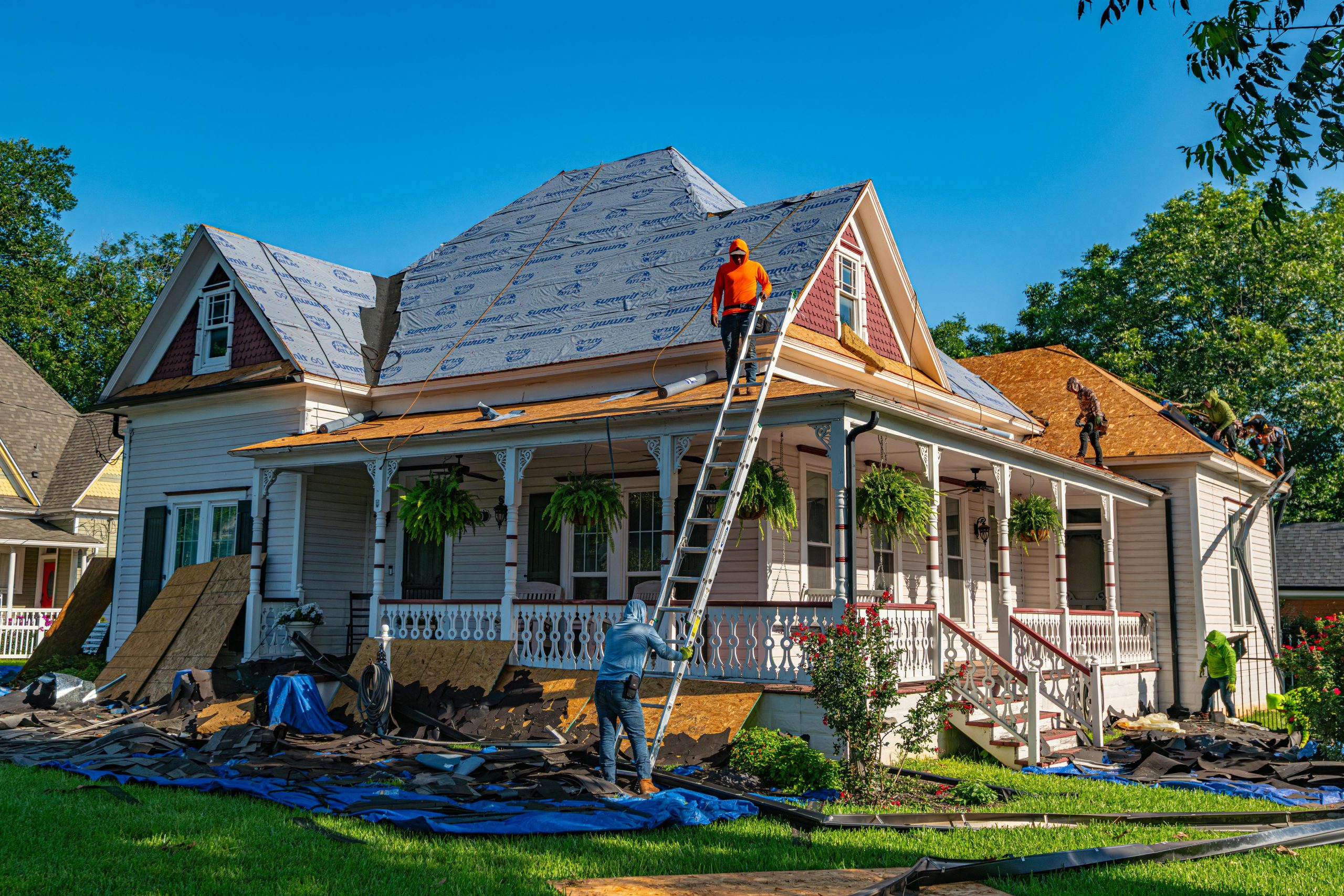

Wooden roof structures can last for generations, but they rarely fail without warning. In most cases, the roof says plenty before a serious problem shows up inside the living room or across the ceiling of a commercial space. The trouble is that the early signs are easy to dismiss. A faint musty smell in the loft, a hairline crack near a rafter seat, a patch of darkened timber around a chimney breast, these details often look minor until they suddenly are not.
That matters because timber behaves differently from steel, concrete, or engineered composites. Wood is strong for its weight, forgiving under certain loads, and surprisingly durable when kept dry and properly ventilated. Yet it is also vulnerable to long-term moisture, insect activity, poor alterations, and slow movement that escapes notice for years. By the time a homeowner starts searching for Roof Repairs, the roof structure itself may already be part of the story, not just the tiles, slates, or flashing above it.
The most expensive jobs I have seen were not caused by one dramatic storm. They were caused by small issues that lingered: a blocked valley that kept soaking the battens, an old leak around a vent pipe, insulation pushed tight against eaves so the roof space never dried properly, or a DIY conversion that cut timber where it should have been reinforced. Wooden roofs can tolerate a lot, but they are poor at hiding neglect forever.
Why timber roofs demand careful attention
A wooden roof structure works as a system. Rafters transfer load to walls. Purlins reduce spans and support rafters. Trusses spread loads in a calculated geometry. Collar ties, ceiling joists, struts, and braces each do a specific job. When one part weakens, the strain often shifts elsewhere. That is why an apparently local defect, say a decayed rafter foot near a gutter line, can become a wider structural concern.
Older roofs add another layer of complexity. Many period properties use timber that is denser and slower grown than much of what is common today. It can be remarkably resilient. At the same time, those roofs may have endured decades of patch repairs, altered coverings, extra insulation, chimney changes, and loft conversions. A roof that was built for lightweight coverings may now be carrying heavier materials. A roof space that once breathed freely may now trap moisture.
Newer timber roofs have their own issues. Prefabricated trusses are efficient and reliable when left as designed, but they are often altered badly during storage installation, later electrical work, or loft boarding. Cutting a web member because it is "in the way" is more common than most people think. It does not always lead to immediate collapse, which is precisely why the damage gets underestimated.
The earliest warning signs usually appear inside first
Homeowners often expect roof defects to announce themselves with a visible hole or a large, obvious leak. In practice, the first clues often show up as changes in smell, shape, or surface finish indoors.
A ceiling stain is the classic example, but even that can mislead. Water rarely drips straight down from the point of entry. It travels along felt, timbers, fixings, and plasterboard before it becomes visible. A yellow-brown ring near an external wall may point to a failed eaves detail, but it could just as easily come from flashing higher up. A stain beneath a valley or chimney deserves immediate attention because repeated wetting can damage not only the ceiling finish but also the timber members behind it.
Doors that suddenly begin sticking on the upper floor can also point to roof movement, especially if they coincide with cracking near ceiling junctions. I have seen houses where occupants blamed seasonal swelling in the joinery, only to find that a sagging purlin had changed the load path enough to affect internal partitions. It was not dramatic. It was a few millimeters here, a little distortion there. But those small movements told a structural story.
A persistent musty odor in the attic is another common sign. Dry timber does not usually smell much. Damp timber, soaked insulation, and poorly ventilated voids do. If the roof space smells earthy or stale, especially after rain, it is worth investigating rather than assuming it is just an "old house smell."
What to look for in the loft or roof void
The loft is where many key warning signs become visible before they turn into major repair work. A torch, a careful eye, and a willingness to look closely can reveal a great deal. That said, caution matters. Roof spaces often have hidden trip hazards, exposed nails, weak boarding, and uneven lighting. If access is difficult or the structure appears compromised, professional inspection is the safer route.
Here are five signs that deserve prompt attention:
- Dark staining on rafters, trusses, or boards, especially where the timber feels soft or flaky.
- White, furry, or crystalline growth on timber surfaces, which often points to sustained moisture rather than a one-off leak.
- Sagging lines in rafters or purlins, or any member that looks bowed more than its neighbors.
- Fine piles of wood dust or small exit holes, which can indicate active or historic insect attack.
- Split, crushed, or notched timber around joints, bearings, and points where members meet masonry.
Not every stain means decay, and not every old insect hole means active infestation. Judgment comes from pattern, extent, moisture conditions, and whether the defect is changing. A timber that was stained years ago by a repaired leak may now be dry and structurally sound. On the other hand, a lightly stained rafter that still reads high in moisture and gives under probe pressure may be at the start of a more serious decline.
One detail people often miss is the rafter foot at the eaves. This is a vulnerable zone because it sits close to gutters, cold external edges, and areas where ventilation is often blocked by insulation. If gutters overflow or underfelt drains poorly, the ends of rafters can stay damp for long periods. Damage here can be hidden behind insulation or at the wall plate line, and by the time it is discovered, sections may need splicing or replacement.
Moisture is usually the main enemy
When wooden roof structures deteriorate, moisture is usually the driver, even when the visible symptom appears to be something else. Wet timber loses strength, becomes attractive to fungi, and creates conditions that allow insects to thrive. It also moves more, which can loosen joints and fixings over time.
The source of moisture is not always a roof covering failure. Condensation can be just as destructive. Roof spaces are colder than occupied rooms below, and warm humid air will always try to migrate upward. If ventilation is poor and moisture from bathrooms, kitchens, or drying laundry enters the loft, condensation can form on the underside of underlay, nails, and timber surfaces. Over one winter, that may create staining. Over several winters, it can support decay.
This is where practical diagnosis matters. A leak from a broken tile often produces localized wetting. Condensation usually affects wider areas and can be worse during cold spells rather than during rain events. I once inspected a roof where the owners were convinced they had multiple leaks because black spotting and damp patches appeared all across the north-facing slope. The real problem was heavily upgraded insulation combined with blocked eaves vents. The roof covering was sound. The timber was suffering because the moisture had nowhere to go.
Chimneys, valleys, and roof penetrations deserve special suspicion. Flashing failures often start small and intermittent. Wind-driven rain enters only under certain conditions, which makes the problem seem random. By the time staining becomes regular, hidden timber around those details may already be compromised.
Rot, insects, and fungal growth, knowing the difference matters
People often use the word "rot" to describe any bad-looking timber, but not all timber damage is the same. Getting the diagnosis right affects the repair strategy and the urgency.
Wet rot is common where timber remains damp for long periods. It usually stays close to the moisture source. The wood darkens, softens, and loses cohesion. If caught early, the repair may involve stopping the moisture, improving drying conditions, and replacing only the affected section. If ignored, it can spread across connected components and drive up the scope of Roof Repairs quickly.
Dry rot causes more anxiety, partly because the name is misleading. It still needs moisture to start, but under the right conditions it can spread beyond the visibly wet zone. It can affect embedded timber ends, hidden voids, and adjacent areas through fungal growth. Any suspicion of dry rot needs a competent inspection, not guesswork. Overreaction is expensive, but underreaction is worse.
Wood-boring insects are another category entirely. In many lofts, old flight holes from historic furniture beetle are found in roof timbers and cause panic. Some are inactive and have been for decades. Active infestation is more likely where timber moisture remains elevated. Fresh frass, clean-edged holes, and ongoing emergence during season can indicate activity. The right response is not always blanket chemical treatment. If the root moisture issue remains, the conditions that support infestation remain too.
Structural movement rarely improves on its own
A roof that is sagging, spreading, or racking is telling you that the load path has changed or weakened. Sometimes the cause is obvious, such as a cracked truss plate, a missing brace, or a cut tie. Sometimes it is cumulative, a little moisture damage, a little overloading, a little creep over decades.
A classic example is ridge sag. On some older roofs, a slight dip has existed for years and is largely cosmetic. On others, it points to undersized rafters, decayed purlin bearings, or wall spread due to ineffective ties. The difference matters. Cosmetic unevenness can be monitored. Progressive movement needs intervention.
Watch for external clues too. A roof plane that looks wavy is not always a covering issue. Deflection in the supporting timbers can telegraph through to the finished surface. If one slope appears to belly outward or sink between supports, there may be a structural problem beneath the tiles or slates.
Inside the loft, check whether members line up as expected. A single bowed rafter among otherwise straight ones may indicate local failure. Multiple members leaning or twisting in the same direction may suggest a broader issue. If metal connector plates on trusses are lifting, if joints have opened, or if struts no longer bear firmly where they should, the structure needs professional assessment.
Poor past repairs can create new damage
Some roof structures fail because they were never repaired correctly in the first place. This is especially common in older buildings where generations of quick fixes have accumulated.
Sistering a timber with a short offcut can look reassuring while doing very little structurally. Smearing sealant over flashing defects buys time at best. Packing a failed bearing point with random wedges may transfer the problem rather than solve it. Even well-meant loft storage projects can be harmful if they overload ceiling joists that were never intended to act as a floor.
One of the more frustrating scenarios involves partial covering repairs that leave hidden timber untreated. A contractor replaces damaged tiles and underlay, the leak appears to stop, and everyone assumes the issue is solved. Months later, the customer discovers that the rafter ends remained damp and decay continued behind the scenes. A proper repair in a wooden roof structure must address both the weatherproof layer and the condition of the structural timber beneath it.
This is also why matching materials and techniques matters. Hard, impermeable modern products can behave badly when combined with older breathable assemblies. Overly aggressive timber treatments can be unnecessary or misapplied. Reinforcement details need to respect how the original roof works, not fight against it.
When a repair is enough, and when replacement is the wiser move
Not every damaged wooden roof structure needs wholesale renewal. In fact, targeted repairs are often the most sensible option when the problem is localized and the rest of the timber remains dry and sound. A decayed rafter foot can sometimes be cut back and repaired with a properly designed splice. A damaged purlin end may be reinforced or partially replaced. Localized insect damage may require no more than moisture control and limited timber replacement if strength has not been materially affected elsewhere.
The harder question is when patching stops making economic or structural sense. These five factors usually decide it:
- The extent of moisture damage across multiple connected members.
- Whether the roof has ongoing structural distortion or wall spread.
- The age and condition of the covering above the timber.
- Access constraints that make isolated repairs inefficient or unreliable.
- Planned future use of the roof space, such as conversion or added insulation upgrades.
There is a real trade-off here. Owners understandably want to preserve original timber where possible, especially in older properties. That instinct is often right. Good old timber is worth saving when it remains viable. But sentiment should not drive technical decisions. If decay affects enough members, if bearings are compromised, or if the roof is due for major covering replacement anyway, a broader intervention may ultimately cost less than repeated small repairs.
Timing makes a major difference to cost
A minor timber repair carried out early can be relatively contained. Left long enough, the same issue can expand into scaffolding, internal redecoration, insulation replacement, ceiling repairs, and structural strengthening. Water is patient, and repair bills grow quietly.
Season matters too. Leaks often become obvious in winter, but detailed timber work is easier to plan in drier periods when conditions allow proper inspection and drying. Emergency tarping and stop-gap weatherproofing may be necessary first, but that should lead to a defined repair plan, not become a permanent arrangement.
It is also worth remembering that visible drying does not always mean the timber has recovered. Large sections of wood can hold moisture internally long after the surface appears normal. Moisture readings, probing, and experienced visual assessment are useful for deciding whether timber can be retained or needs replacement.
What a good inspection should cover
A worthwhile roof inspection is more than a glance at the tiles from ground level. For wooden structures, the inspection should consider the relationship between covering defects, moisture pathways, ventilation, and structural behavior. It should also identify whether the issue is isolated or part of a pattern.
A thorough assessment usually includes the external roof surface, flashings and penetrations, gutters and drainage, the Roof Repairs roof void, signs of condensation, the condition of principal timbers and joints, and any evidence of past alterations. In some cases, further opening-up is necessary because the worst damage sits where timber enters masonry or behind finishes.
Homeowners sometimes ask whether they should wait until a leak becomes worse before acting. From a repair standpoint, that approach almost never pays off. Timber does not heal, and moisture damage rarely stabilizes while the source remains active. If there is one principle that consistently saves money in Roof Repairs, it is this: investigate early, while the problem is still local.
Sensible maintenance prevents a surprising amount of repair work
Most serious timber failures begin with basic maintenance gaps rather than rare disasters. Gutters that overflow onto eaves, slipped coverings left unattended, blocked ventilation paths, and unnoticed flashing defects are responsible for a large share of avoidable structural deterioration.
A practical maintenance routine does not need to be elaborate. After heavy storms, it is wise to check for slipped or missing coverings from ground level. Gutters should run freely and discharge properly. Loft spaces should be checked periodically for staining, condensation, and unusual smells. If insulation has been topped up, make sure it has not choked the eaves. If any contractor has worked in the loft, from electricians to telecom installers, it is worth checking that no truss members or braces have been cut or displaced.
The owners who avoid major timber repair bills are rarely lucky. More often, they are simply observant. They notice the stain while it is still small. They question the musty smell. They act on the first hint of sag rather than waiting for certainty. Wooden roof structures reward that kind of attention.
The warning signs worth taking seriously
A sound timber roof does not need panic, but it does deserve respect. Darkened wood near vulnerable details, soft spots at rafter ends, fungal growth, recurring Roof Repairs loft condensation, insect evidence, fresh cracking, and visible sagging all justify a closer look. None of those signs automatically means the whole roof is failing. They do mean the structure is giving useful information, and ignoring it is usually the expensive choice.
The best Roof Repairs are the ones done before the roof becomes an emergency. On wooden structures, that means looking past the surface finish and paying attention to what the timber is telling you. When moisture is controlled, ventilation is appropriate, and defects are repaired before they spread, wood can continue doing its job for a very long time. When the warnings are missed, the repair tends to move from manageable to invasive with surprising speed.
Royalty Exteriors
151 NJ-10 Suite 103A
Succasunna, NJ 07876, United States
+1 973-333-7234
FAQ About Roof Repairs
Can you fix a roof leak without replacing the whole roof in Succasunna,NJ?
Often, a localized leak can be repaired without replacing the entire roof, depending on its cause and the condition of the surrounding materials. Damaged shingles, flashing, or a roof penetration may need targeted work. Royalty Exteriors offers roof repairs for leaks, storm damage, and shingle issues. An inspection is needed to determine the appropriate scope.
What is considered a minor roof leak?
A leak may be considered minor when the damage is limited to a small area and the surrounding roofing remains sound. A small ceiling stain alone does not establish the extent of the problem because water can travel before becoming visible. Have the source and any concealed damage assessed promptly.
Is it better to repair or replace a leaky roof?
The decision depends on the roof's age, overall condition, leak source, extent of damage, and history of previous repairs. A localized problem on an otherwise serviceable roof may be suitable for repair. Widespread deterioration or recurring leaks may justify considering replacement. Ask for an inspection and a written explanation of the recommended work before deciding.